


If application of BSF frass fertilizer after purchase is all you’re worried about, then you may have a bigger problem in the near future. Just like the soil, BSF frass fertilizer is alive with microbes and chitin and all the things that make your soil better, but to get the best out of your fertilizer, you must understand how to store, handle and prepare it.
Many Nigerian farmers who complain that organic fertilizers “don’t work” are often losing nutrients before the fertilizer even touches the soil. Exposure to moisture, poor storage conditions, and wrong preparation methods can reduce microbial activity and nutrient availability long before planting season.
That being said , if you’ve been worried about how to store BSF frass fertilizer properly in Nigeria’s climate, how to handle it safely, and how to prepare it for use so your crops get the full benefit, then below is all the information you need to get the best yield from your frass fertilizer.
For farmers who are already familiar with what BSF frass is and its benefits, this post completes the picture. If not, you can first read our detailed breakdown here:
👉 3 Top Benefits of BSF Frass Fertilizer for Nigerian Farmers
Why Proper Storage and Handling of BSF Frass Fertilizer Matters
BSF frass fertilizer is not like chemical fertilizer. It is alive and breathing.
It contains beneficial microbes, organic matter, and natural compounds like chitin that help improve soil health, crop strength, crop yield and long-term fertility. When exposed to excess moisture, direct sunlight, or poor ventilation, these living components weaken or die off.
According to studies published by the National Institute of Health (NIH) and Research Gate, organic fertilizers perform best when their microbial structure is preserved through proper storage and handling. This is especially important in tropical environments like Nigeria, where heat and humidity can quickly degrade organic inputs.
In short, good storage keeps your frass effective. Poor storage turns it into a sack of really expensive waste.
How to Store BSF Frass Fertilizer Properly in Nigeria
Nigeria’s climate demands extra care when storing organic fertilizers. Heat, rain, and humidity are the biggest enemies. These are a few steps to optimum storage of your frass fertilizer:
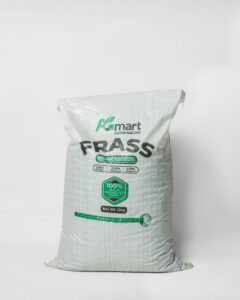
- The best place to store BSF frass fertilizer is a cool, dry, well-ventilated area, away from direct rain and sunlight. A simple store, shed, or covered corner of the farm works well as long as moisture is controlled.
- Always keep frass off the bare floor. Wooden pallets, plastic crates, or raised platforms prevent moisture from seeping in from the ground, especially during the rainy season.
- Storage containers also matter. Breathable sacks or bags that allow airflow are better than airtight plastic bags. Airtight storage can trap moisture and cause clumping, odour, or microbial loss.
- For best results, BSF frass fertilizer should be used within 6 to 12 months of purchase. Beyond that, it may still work, but microbial activity gradually reduces.
In summary, BSF frass and moisture are enemies. Keeping your fertilizer as far away from moisture as possible and using it within a space of one year are some of the best ways to retain its potency.
Agmart’s BSF frass fertilizer is processed and packaged specifically for Nigeria’s weather conditions, making it more stable for local storage when handled correctly. You can learn more about Agmart’s production standards on our website.
Safe Handling Practices for BSF Frass Fertilizer on the Farm
Handling BSF frass fertilizer is safe, but basic hygiene should always be observed, just like with compost or poultry manure. Here are a few points to note while using your frass fertilizer:
- Use gloves when handling large quantities, especially during mixing or compost preparation. This prevents prolonged skin contact and keeps things hygienic.
- Avoid inhaling dust when applying dry frass, particularly on windy days. Slightly moistening the soil before application helps reduce dust and improves nutrient contact with the soil.
- Always wash hands after use and keep frass away from animal feed and drinking water sources. While BSF frass has a low pathogen risk compared to raw manure, clean handling keeps your farm system safe and professional.
It’s important to note that cross-contamination of your drinking water could occur if you don’t handle your fertilizer safely. Something to keep at the top of your mind would be to wear gloves before use and wash up after use.
How to Prepare BSF Frass Fertilizer for Best Results
Preparation depends on when and how you plan to use the frass. Whether you’re preparing your frass fertilizer for pre-planting, seeding, or top dressing, the goal stays the same: activate soil life without overwhelming crops.
Preparing BSF Frass for Pre-Planting Soil Mixing

Before planting, frass works best when mixed into the top layer of soil. Lightly scatter the recommended amount across the land and mix it into the top 2–3 inches of soil using a hoe or rake.
This allows microbes to activate before seeds or seedlings go in, creating a nutrient-rich environment for early root development. Light watering after mixing helps wake up microbial activity.
Preparing BSF Frass for Planting Holes and Transplants
For vegetables and arable crops, frass should never sit directly against young roots. Always mix it with soil inside the planting hole before adding seeds or seedlings.
This slow-release approach prevents root stress while allowing nutrients to become available gradually as the plant grows.
Preparing BSF Frass for Top Dressing
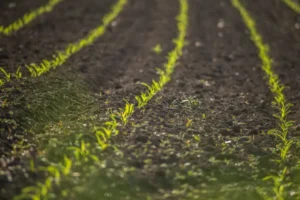
For growing crops, frass works best as a light top dressing. Spread it around the base of the plant, lightly mix into the soil or cover with mulch, then water.
This method feeds soil microbes during active growth stages and improves nutrient uptake without disturbing plant roots.
Preparing BSF Frass for Compost Boosting
BSF frass is an excellent compost accelerator. When added to compost piles, it introduces beneficial microbes and nutrients that speed up decomposition.
Mix frass evenly into compost materials and keep the pile moist but not waterlogged. Farmers using frass-boosted compost often notice faster breakdown and richer compost within weeks.
Research published in Frontiers in Plant Science confirms that frass-enhanced compost improves soil microbial diversity and nutrient availability over time.
If you’re concerned or worried about the exact quantities to use during application, you should read our practical guide here.
Common Storage and Preparation Mistakes Nigerian Farmers Should Avoid
Leaving BSF frass exposed to rain is one of the most common mistakes. Waterlogging reduces oxygen and kills beneficial microbes. Best storage practices would include storing your frass under a shade and above the ground.
Another mistake is over-application. More frass does not equal faster results. BSF frass is already concentrated and works best in moderate amounts when applied consistently.
Storing frass directly on bare soil or in sealed plastic bags also reduces effectiveness over time.
Avoid mixing frass with chemical fertilizers. Chemical salts can harm the microbial life that makes frass valuable in the first place. You can use BSF frass fertilizer or chemical fertilizers, never both.
How Proper Storage and Preparation Improves Yield and Soil Health
When stored and prepared correctly, BSF frass fertilizer improves soil structure, increases water retention, boosts microbial life, and supports steady nutrient release throughout the growing season.
Farm trials documented by agricultural research bodies show improved crop vigor, better root development, and increased yield within one planting season when frass is used properly.
Why Agmart’s BSF Frass Fertilizer Is a Smart Choice for Nigerian Farmers
Agmart Foods and Farms Limited is building climate-smart agriculture solutions designed for Nigerian soils. Their BSF frass fertilizer is produced locally, quality-checked, and formulated to perform well under Nigerian farming conditions.
Whether you’re preparing land before planting, improving soil mid-season, or boosting compost, Agmart’s frass delivers consistent results when stored and used correctly.
👉 Order Agmart’s BSF Frass Fertilizer here:
https://agmartng.com/products/
Or visit the homepage to learn more about Agmart’s sustainable farming solutions:
Start small. Store it right. Prepare it well. Let your soil do the rest.